Genetically engineered war dogs enter development
A new venture backed by $200 million aims to solve the U.S. military's shortage of working dogs by engineering animals with superior health and performance traits.
By Amy Swan ·
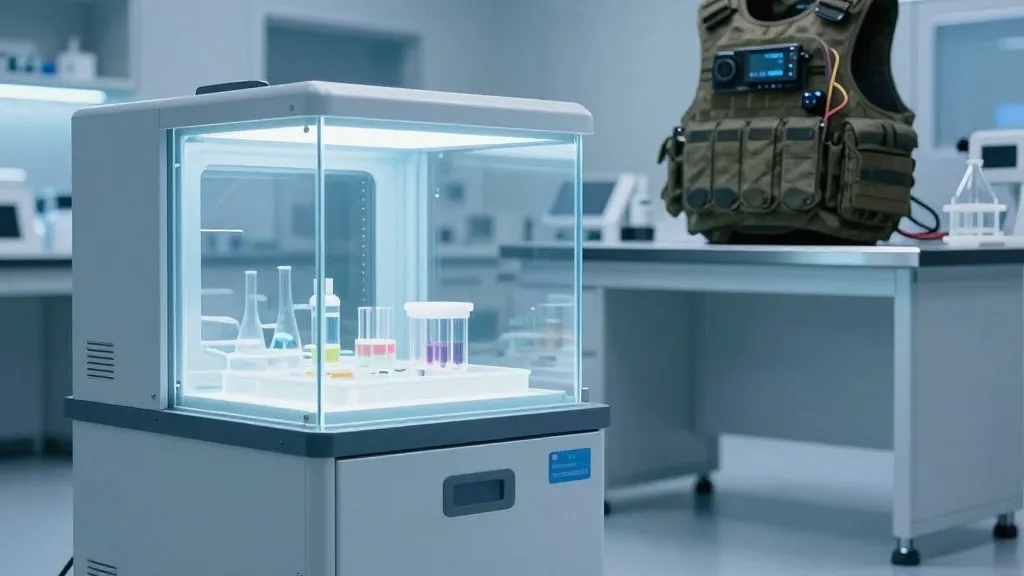
For the first time, U.S. military units and law enforcement agencies may soon receive working dogs that are not merely bred for the job, but genetically engineered for it. The shift addresses a critical gap in national security resources: the dwindling supply of healthy, service-ready canines. Under this new model, dogs will be designed to handle dangerous tasks, such as bomb detection and search operations, with enhanced physical capabilities and durability that traditional breeding methods have struggled to achieve consistently.
The effort, known as Warhound, has emerged from stealth mode with a significant financial commitment. The company secured $200 million in funding, a round that values the venture at $1.2 billion. Investors include prominent tech firms and intelligence-linked entities, specifically Sequoia, 8VC, Corner Ventures, and In-Q-Tel, a venture firm backed by the CIA and other U.S. intelligence agencies. This capital is intended to accelerate the development of the technology and the initial production of the animals.
The impetus for the project lies in the current state of the U.S. working dog population. According to Warhound’s launch data, more than 80 percent of the working dogs used by the U.S. military are imported from Europe. Of those imported animals, less than half are deemed fit for service. This reliance on foreign sources creates a supply chain vulnerability and limits the number of dogs available for critical missions. The new initiative aims to domestic the production of these animals while improving their baseline health metrics.
The project is a collaboration between Ben Lamm, co-founder of Colossal Biosciences, and Palmer Luckey, the founder of Anduril Industries. Lamm stated he met Luckey roughly a year ago at a conference where they discussed the need for better support for military working dogs. Following that meeting, Lamm researched the genetic predispositions that often cause dogs to fail training, including issues with eyesight, cancer, hip dysplasia, and muscle atrophy. The goal is to use gene editing to remove these detrimental traits and enhance characteristics like speed, agility, and olfactory sensitivity.
The biological process involves taking cell lines from high-performing breeds, specifically the Belgian Malinois and German Shepherd, and placing them in a biobank. Scientists will then edit these genes to create what the company describes as a new type of dog. Colossal Biosciences, known for its de-extinction projects involving animals like the dodo and mammoth, is licensing its technology to the new venture. A related Colossal-owned company, Viagen, will handle the cloning process, utilizing technology that boasts a high success rate currently used in endangered species programs.
While Colossal provides the biological foundation, Anduril will supply the technological overlay. The defense tech company will provide hardware and software, including protection vests and goggles equipped with data sensors. These devices are designed to give handlers real-time situational awareness by transmitting information from the dog’s environment. Lamm described this as placing enhancements "on top of the dog, not in the dog," aiming to make the animals safer and more effective in the line of duty. Luckey is a partner in the venture but holds no equity, while Colossal retains equity through its technology license.
The timeline for deployment is aggressive. The first batch of dogs is set to be cloned and incubated soon, with births expected in early 2027. The company hopes to have these animals in service within two years. Warhound has not yet determined pricing but expects to sell to first responders, the Department of Defense, military service groups, and police forces. Lamm noted that the company has already briefed numerous government groups on the business model and operational plans.
To address public concerns regarding the welfare of genetically modified animals, Warhound is working under the guidance of the American Humane Society. The organization is helping to certify the training program for the new dogs. The plan includes ensuring that when these dogs retire from service, they enter the Society’s Military Working Dog Reunification Program or another support initiative to find them homes. This partnership is intended to ensure the animals are treated humanely throughout their service lives.
The American Humane Society issued a statement welcoming the collaboration. "We applaud Warhound and Colossal for inviting the country’s first national humane organization, which is grounded in science and ethics, to have a seat at the table," the statement read. The society added that it looks forward to working with the companies to ensure the animals in their care are treated with the appropriate level of care. This oversight is a key component of the company's strategy to normalize the integration of engineered animals into public safety roles.
Source: TechCrunch