Trump proposes energy dividend for data center hosts
The President wants AI builders to pay local communities for excess power to offset rising utility bills and environmental costs.
By Isabella Morales ·
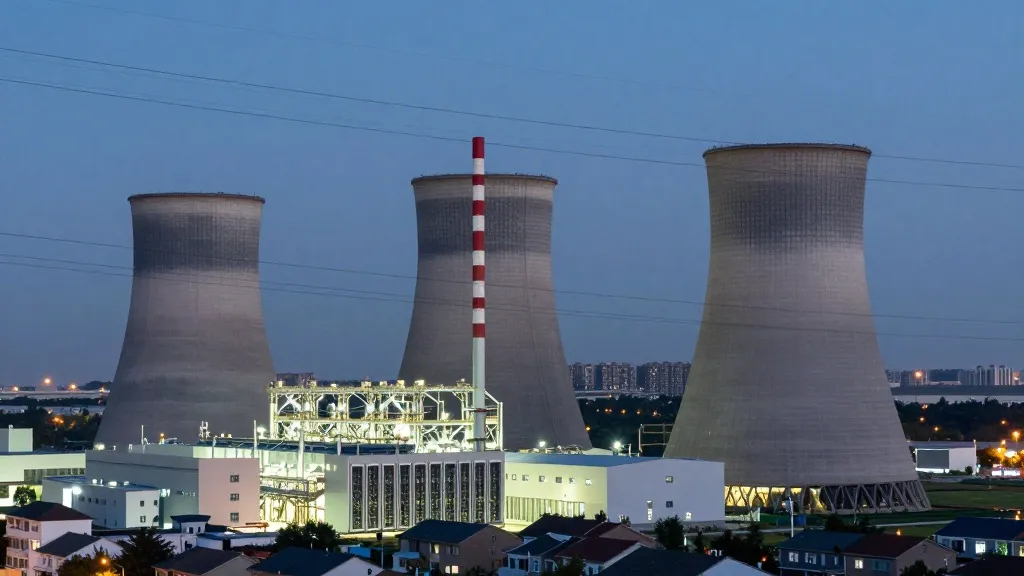
President Donald Trump has issued a direct demand for artificial intelligence data center developers to pay a financial dividend to the local communities that host their facilities. The goal is to offset rising energy prices and make the large-scale infrastructure projects more acceptable to residents who have long complained about the costs and disruptions associated with these sites.
In a post on Truth Social, the President outlined a strategy that goes beyond previous requirements for these facilities to generate their own electricity. He stated that data centers would be mandated to either give away or sell their excess energy back to the local grid. This approach is designed to prevent local electricity rates from increasing and could potentially drive them down. The administration views this as a critical step to secure public support for the nation's AI infrastructure buildout.
The financial logic behind this mandate is rooted in the current market friction between hyperscalers and local municipalities. Communities across the United States have frequently protested against new AI data centers due to their significant impact on local resources. Residents often cite rising electricity costs, noise pollution, water shortages, and air pollution as primary grievances. By forcing a financial return, the administration aims to transform a point of contention into a source of local benefit.
The White House is keen to maintain a competitive edge over China in the global AI race. This requires rapid expansion of data center capacity, but that expansion is often slowed by local opposition. The proposed dividend is intended to win back favor in towns that might otherwise block permits or construction. The mechanism is straightforward: if the facility generates more power than it consumes, that surplus should benefit the nearby population rather than just the corporate bottom line.
This new directive complements a recently passed act that requires data centers to shoulder the cost of necessary grid upgrades. Previously, those infrastructure improvements were often funded through local tax bases, placing the burden on residents who did not directly benefit from the corporate revenue. By having the companies pay for both the grid upgrades and providing a dividend, the administration hopes to create a more self-contained economic model for these zones.
President Trump emphasized the economic incentive for local officials in his social media message. He noted that data centers, which were often unpopular in specific areas, have become extremely popular once a financial deal was struck. He urged builders to make deals and get them built, suggesting that the right financial structure can overcome local resistance and accelerate construction timelines.
However, the implementation of this policy remains uncertain. While the energy dividend addresses the financial pain point of rising utility bills, it does not fully resolve other major complaints. Issues such as enormous water consumption, ecological damage, and persistent noise pollution remain significant challenges for many communities. The economic benefit may need to be substantial enough to outweigh these non-monetary costs.
The proposal also raises questions about corporate profitability. Traditional dividends are typically paid only when a company is profitable. New data center builds carry high initial construction costs that must be recouped before profits are realized. If the mandate applies during the early, often unprofitable stages of construction, the structure of the payment will require careful definition to ensure it is sustainable for the developers.
For now, the administration is presenting this as a win-win scenario for both the AI industry and local taxpayers. By mandating that excess energy is shared, the hope is that the cost of the nation's AI revolution will be distributed more equitably. The coming months will test whether this financial incentive is sufficient to silence local critics or if further regulatory action will be required to smooth the path for new builds.
The stakes are high as the race for AI supremacy accelerates. If local communities continue to oppose construction, the timeline for new capacity will slip, potentially impacting the United States' position in the global market. The energy dividend proposal is the latest tool in the administration's toolkit to bridge the gap between corporate ambition and local reality.
Source: Tom's Hardware